How Artists, Teachers & Designers Use Grid Maker

From portrait artists capturing likenesses to teachers creating classroom handouts, discover how grids improve accuracy, speed, and confidence across every skill level and medium.

Portrait artists & beginnersBeginner-friendly

Portrait Drawing

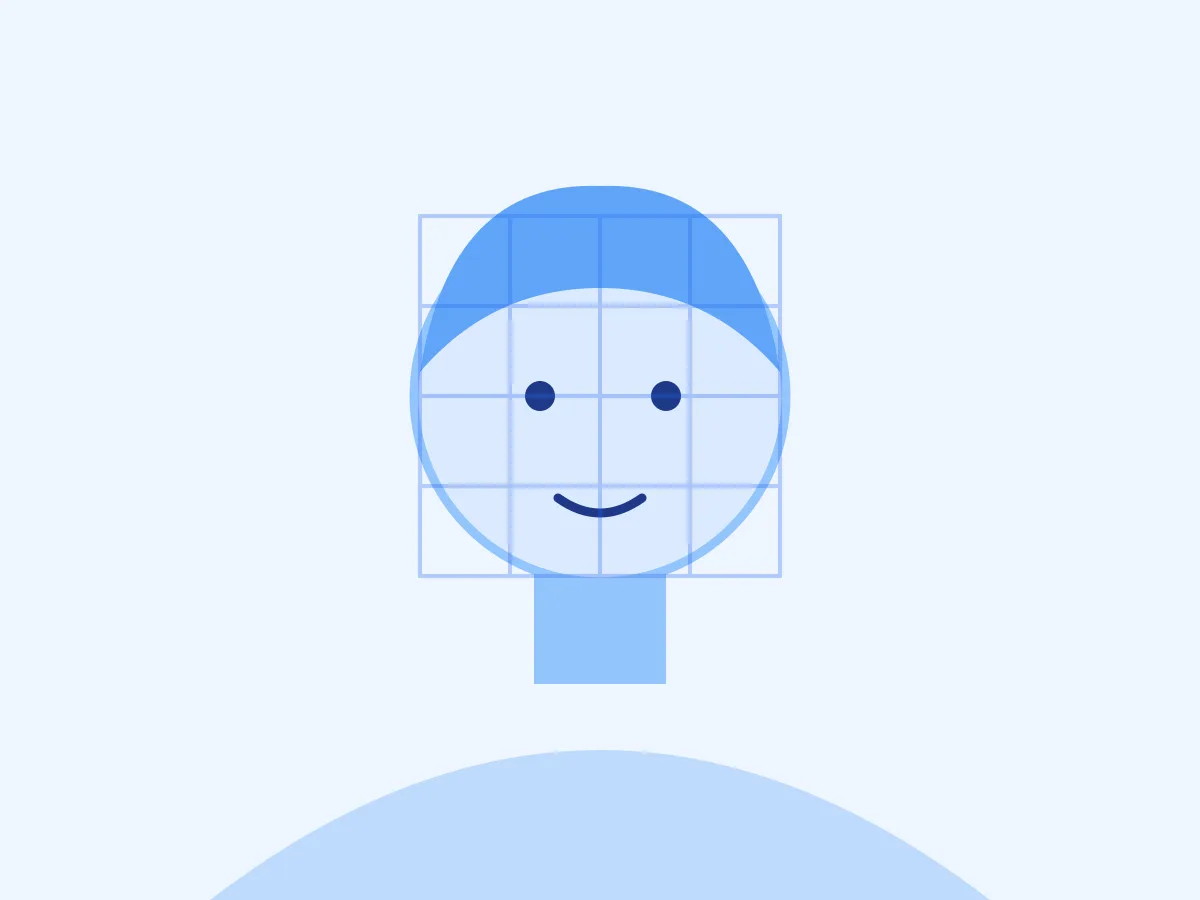
Portraits demand precise proportions - the distance between eyes, the width of the nose, the angle of the jawline. Even small errors in placement destroy a likeness. A grid breaks the face into manageable sections so you can focus on one area at a time, comparing shapes and values within each square instead of trying to get the entire face right at once.

Recommended Grid: 8×8 or 10×10 grid - enough reference points without overwhelming detail. For high-detail portraits, use 12×12 or larger.

  • Accurately capture the spacing between facial features
  • Maintain symmetry across the central axis of the face
  • Break complex shading into small, manageable sections
  • Build confidence by reducing measurement errors
Plein air painters & studio artistsAll levels

Landscape Painting

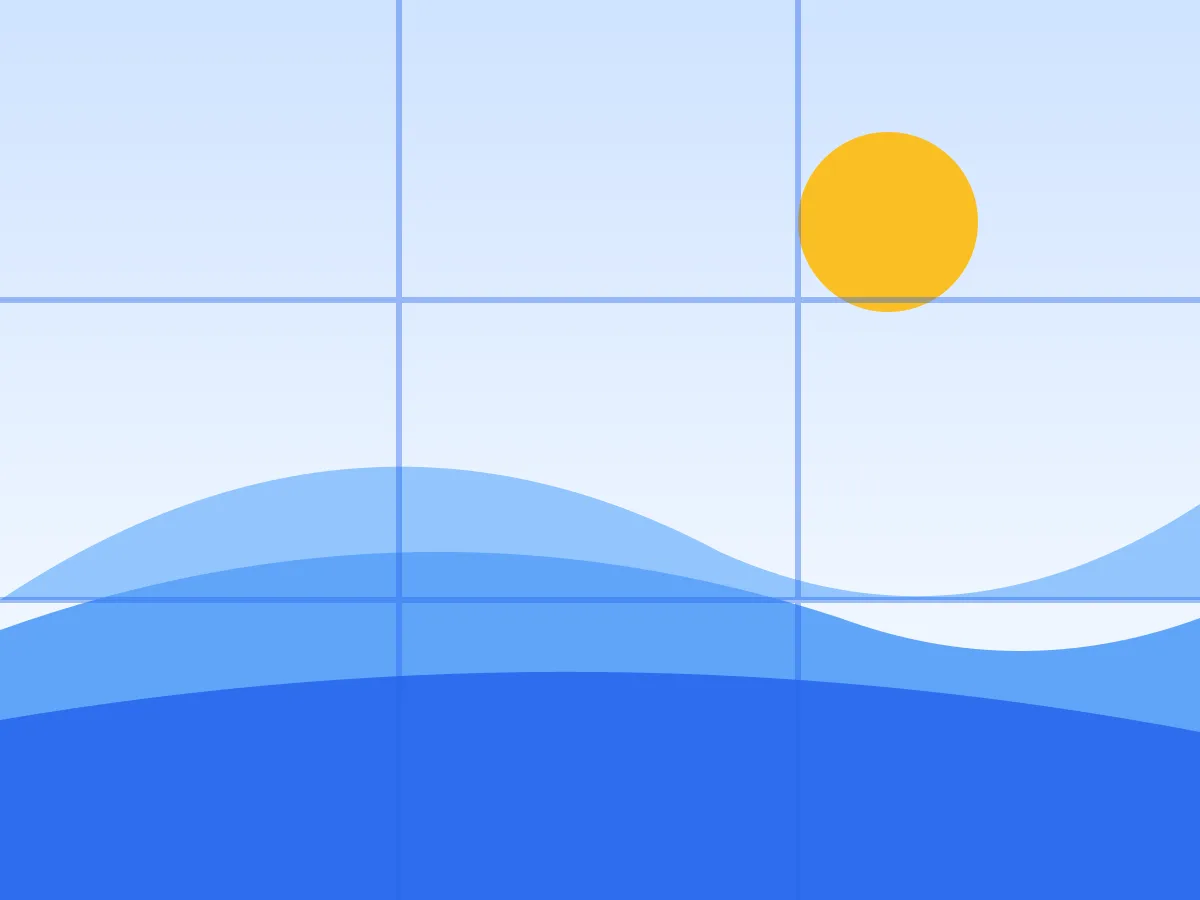
Landscapes often suffer from poor horizon placement and unbalanced compositions. A grid helps you position the horizon at the ideal third, place focal points at strong compositional intersections, and maintain accurate perspective recession from foreground to background. It is especially useful when working from photo references in the studio.

Recommended Grid: 4×4 or rule-of-thirds (3×3) grid - natural composition with horizon on upper or lower third. Combine with finer grids for complex scenes.

  • Position horizons and focal points at ideal compositional thirds
  • Maintain accurate perspective from foreground to background
  • Transfer plein air sketches to larger studio canvases with precision
  • Organize color zones for consistent value and temperature shifts

Teachers, instructors & studentsBeginner-friendly

Art Education & Teaching

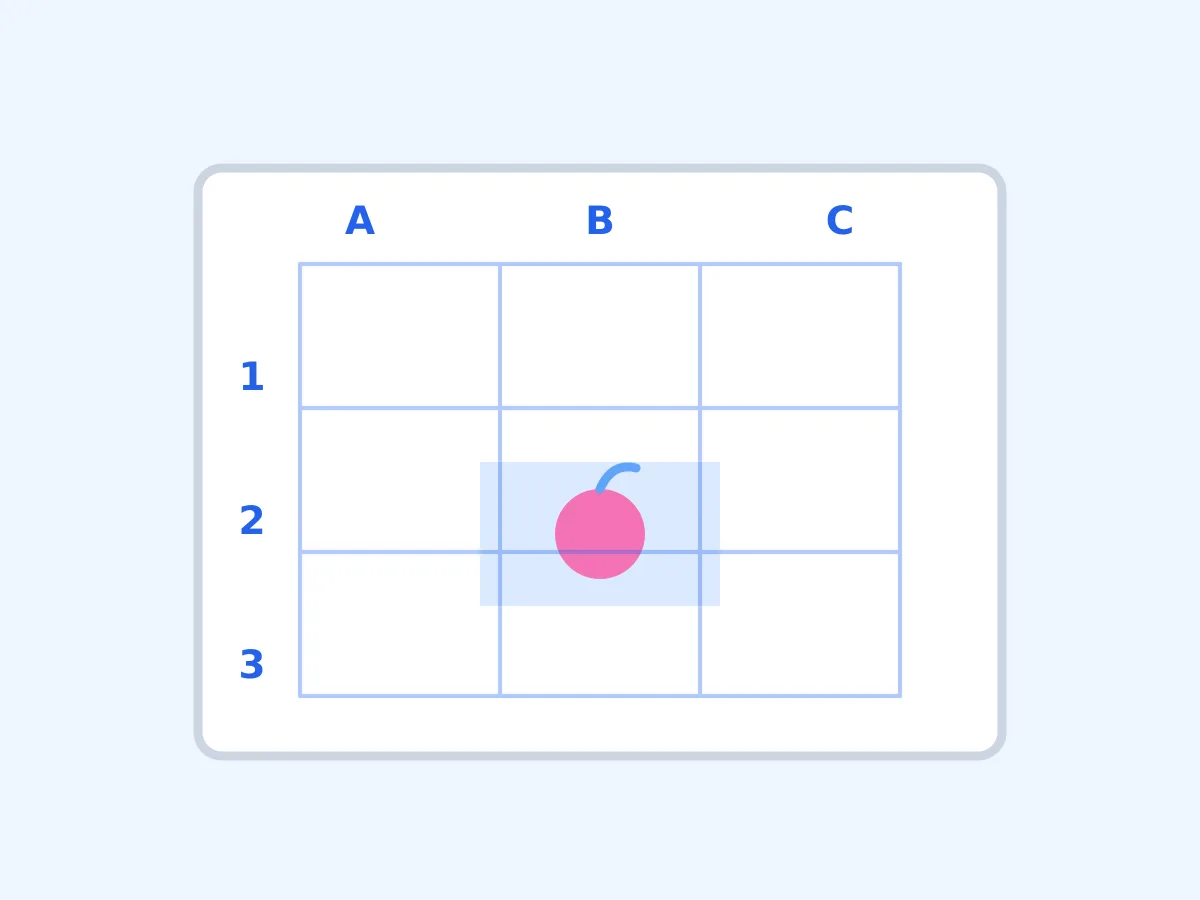
Art teachers use Grid Maker to create gridded reference handouts for classes. Students learn observation skills by copying one square at a time, which makes complex subjects approachable. The cell label feature (A1, B2, C3) is particularly useful: teachers can say "focus on cell D5" and every student knows exactly which section to look at.

Recommended Grid: 8×8 grid with cell labels turned on - the A1 labeling system lets teachers direct students to specific cells during lessons.

  • Create standardized reference sheets for entire classes
  • Teach observational drawing in a structured, step-by-step way
  • Use cell labels for clear classroom communication
  • Help struggling students achieve accurate results and build confidence

Muralists & sign paintersIntermediate to advanced

Mural & Large-Scale Work

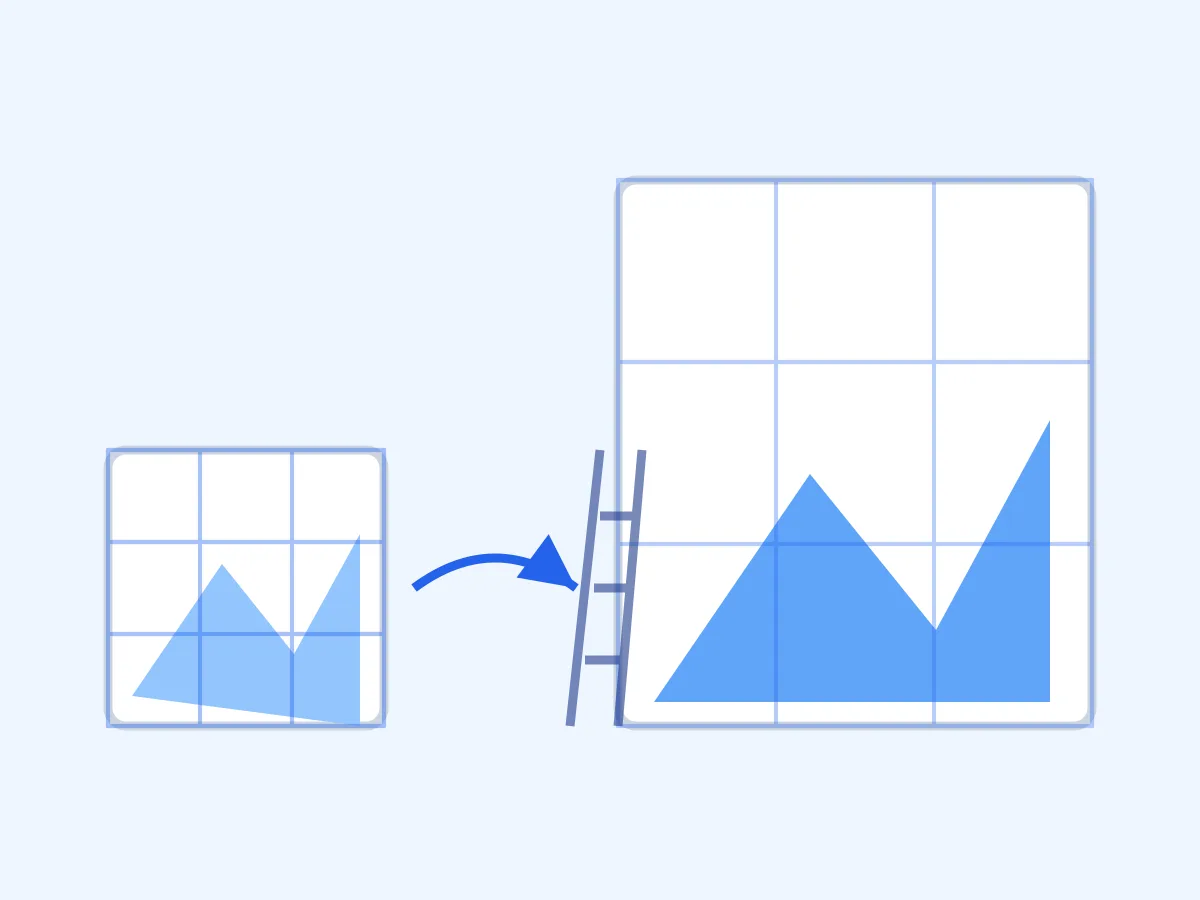
Scaling a small sketch to a wall-sized mural is one of the hardest challenges in art. Without a grid, proportions drift as the scale increases. The grid method lets muralists divide their source image into numbered sections and replicate each section on the larger surface, ensuring the final mural matches the original design precisely.

Recommended Grid: 6×6 or 8×8 grid on the reference, then scale proportionally to the wall. Grid a 4×6 inch photo and transfer to a 4×6 foot wall - same ratios, massive impact.

  • Scale from a small reference to any wall size while keeping exact proportions
  • Minimize measurement errors that compound at large scales
  • Work section-by-section instead of tackling the whole wall at once
  • Create print-ready reference sheets to tape beside the mural site

Life drawing students & character designersIntermediate

Figure Drawing & Anatomy

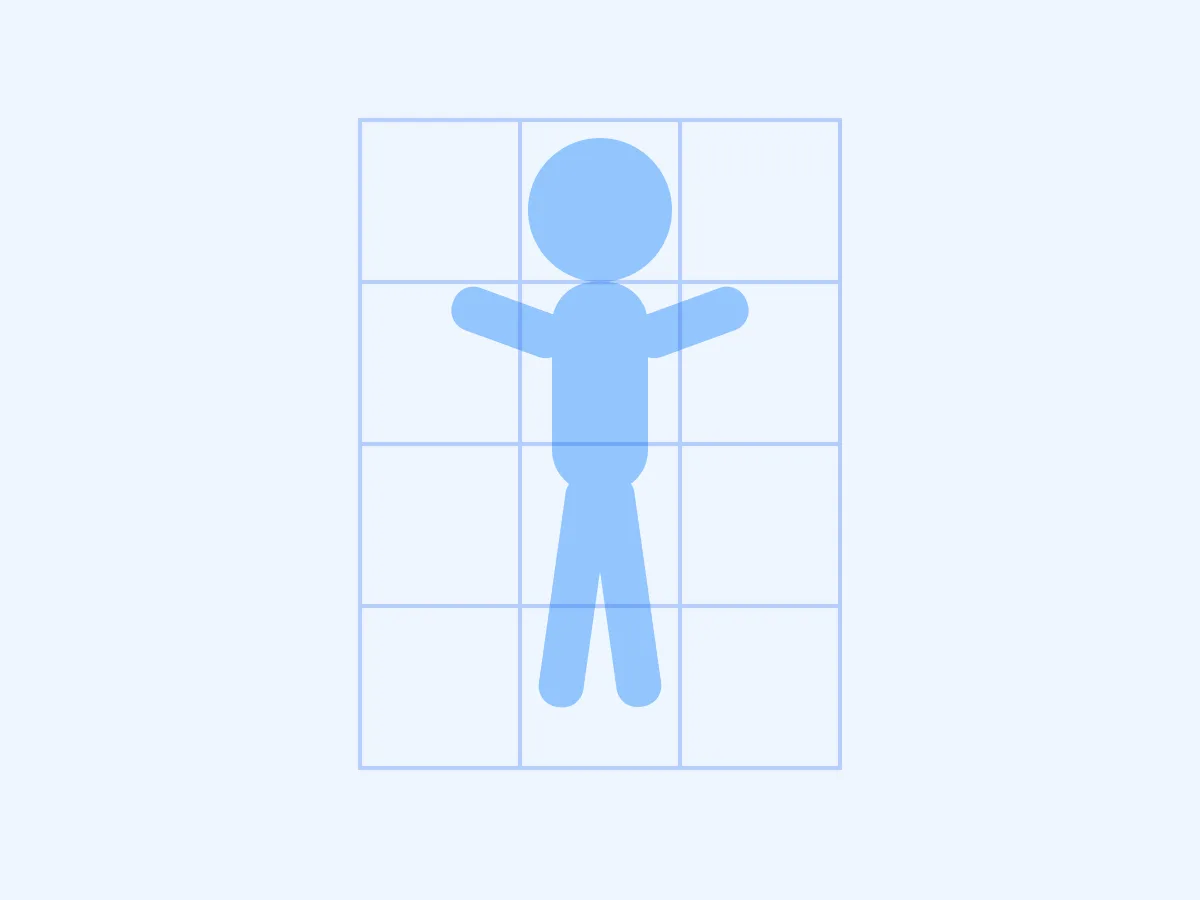
The human body follows consistent proportional rules - heads to torso, shoulders to hips, arm length to leg length. Grids make these ratios visible. By gridding a reference photo of a pose, students can see exactly where anatomical landmarks fall and train their eye to recognize these proportions in future freehand work.

Recommended Grid: 8×10 or 9×12 grid - taller rectangles suit full-figure proportions. Great for studying head-to-body ratios.

  • Accurately measure head-to-body ratios (typically 7-8 heads tall)
  • Handle foreshortening in complex poses with greater accuracy
  • Compare shoulder width to hip width, arm length to leg length
  • Train observational skills that carry over to freehand life drawing

Freelance illustrators & concept artistsAll levels

Illustration & Concept Art

Professional illustrators use grids during the layout phase of client work to ensure compositions are accurate before investing time in rendering. Grids help transfer rough thumbnails to final-size canvases, maintain consistent character proportions across scenes, and speed up the preliminary drawing stage without sacrificing accuracy.

Recommended Grid: Use grids during the preliminary layout phase. A 6×6 grid helps nail proportions before committing to detail work.

  • Transfer thumbnail sketches to full-size illustrations accurately
  • Keep character proportions consistent across multiple illustrations
  • Reduce revision rounds by nailing layout accuracy in the first pass
  • Speed up the preliminary drawing stage for client deadlines

Architects & urban sketchersAdvanced

Architectural Sketching

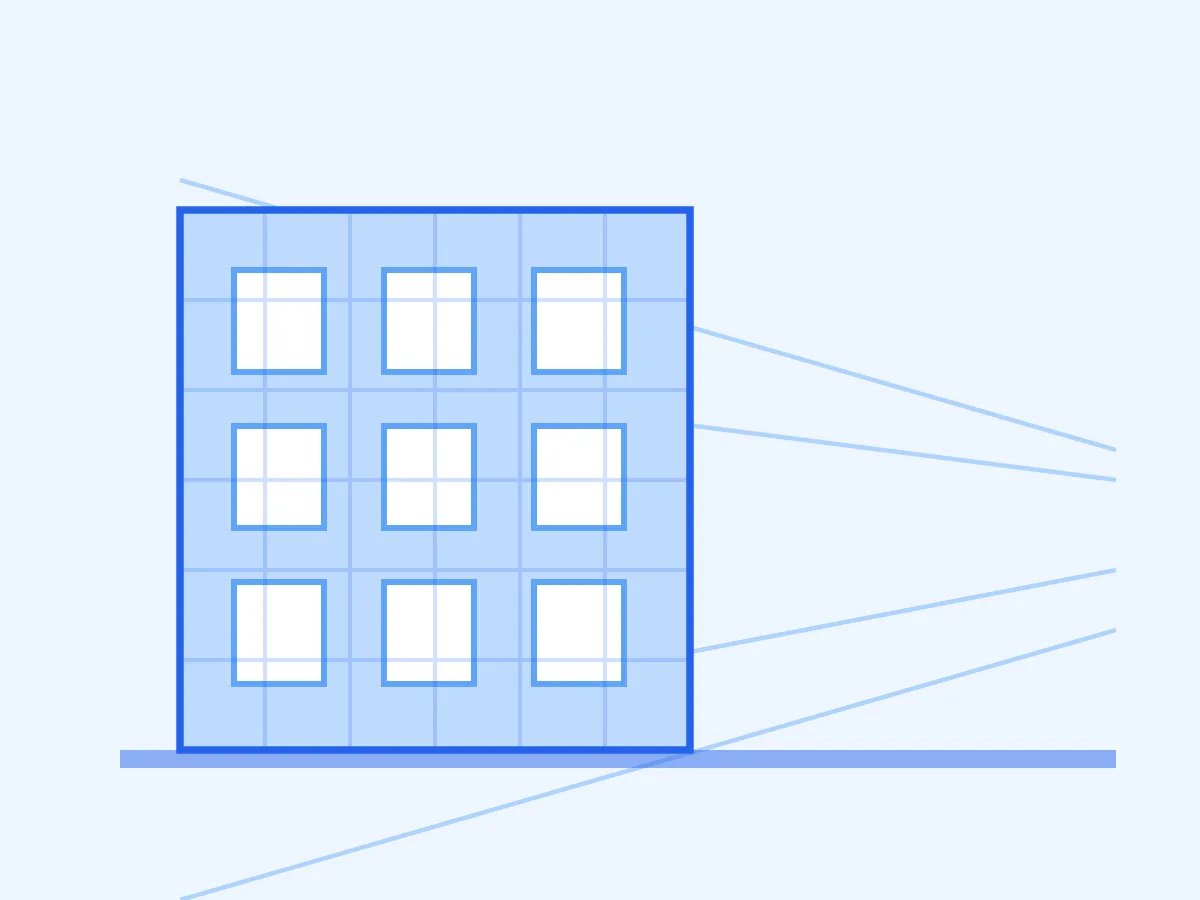
Architectural subjects demand precision: vertical lines must be truly vertical, perspective must converge correctly, and proportions of windows, doors, and ornamental details must be consistent. A fine grid provides the reference framework needed to keep complex structures accurate, whether you are sketching a quick urban scene or preparing a presentation rendering.

Recommended Grid: 12×12 or 16×16 fine grid for technical precision. High detail grids help maintain correct vanishing points and vertical alignment.

  • Maintain correct vanishing points and perspective convergence
  • Keep vertical elements perfectly plumb
  • Scale windows, doors, and details proportionally
  • Break down intricate facades into manageable sections

Hobbyists & casual artistsBeginner-friendly

Hobby & Personal Art

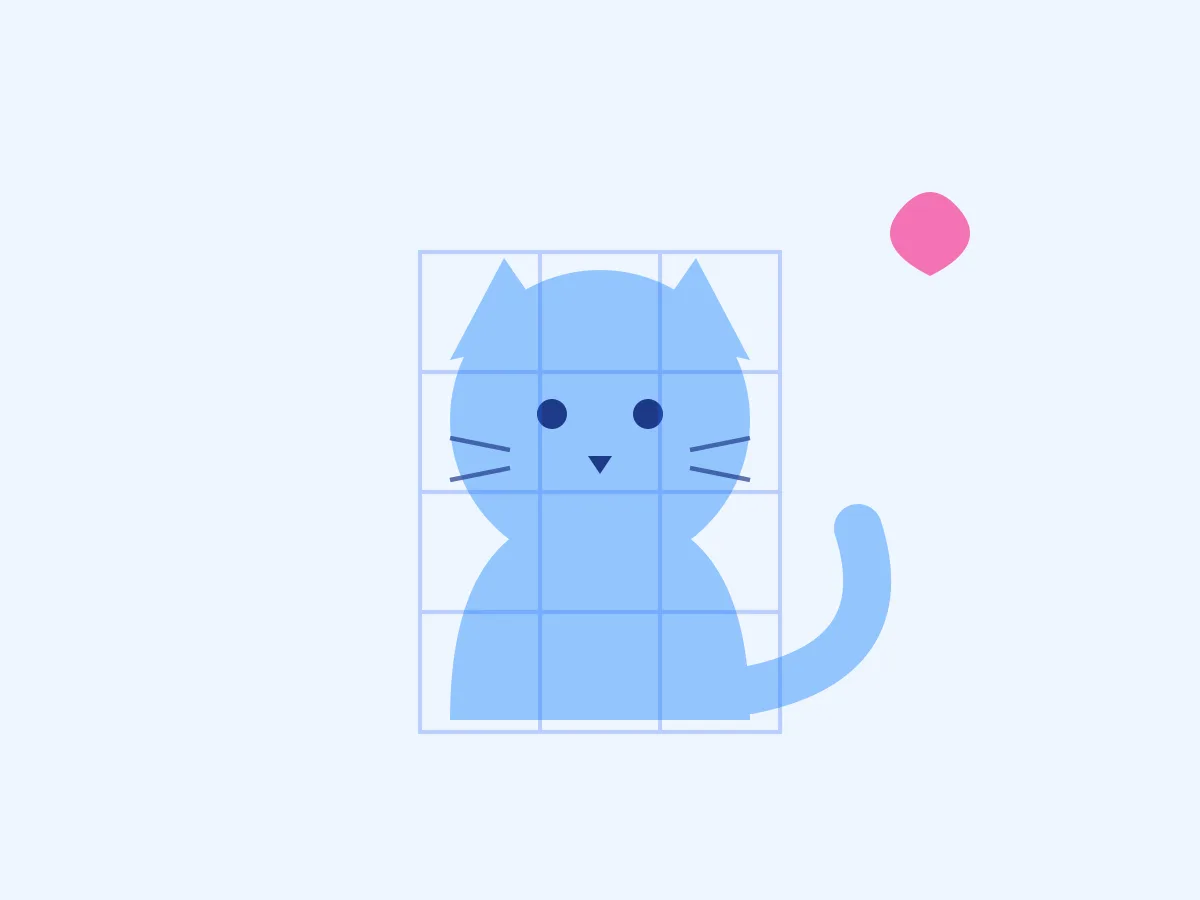
You do not need to be a professional to benefit from grids. Hobby artists use Grid Maker to draw their pets, copy favorite photographs, create gifts for friends, or simply practice observational drawing. The grid method produces surprisingly accurate results even on your very first attempt, which keeps motivation high.

Recommended Grid: Start with an 8×8 grid - it is forgiving enough for beginners while providing enough guidance for satisfying results.

  • Achieve impressive accuracy even as a complete beginner
  • Draw pets, family photos, or favorite images with confidence
  • Practice observational skills in a low-pressure, enjoyable way
  • Create handmade gifts that look professionally drawn

Frequently Asked Questions

Which grid size should I use for my project?
It depends on the complexity of your subject. Simple compositions work well with 4×4 or 6×6 grids. Most artists use 8×8 or 10×10 for general work. For highly detailed subjects like portraits or architecture, try 12×12 or finer. Start with a coarser grid and refine if needed.
Can I use Grid Maker for commercial and client work?
Yes. Grid Maker is free for personal and commercial use. There are no licensing restrictions on the grids or images you create with the tool.
Is grid drawing only for beginners?
Not at all. While grids are excellent for beginners, professional artists use them daily. Muralists scale work to massive surfaces, illustrators nail client layout accuracy, and portrait artists ensure likeness capture. The grid method is a tool - it doesn't define your skill level.
Do I need any artistic experience to use grids?
No prior experience is required. The grid method is often the very first technique taught in art classes because it produces accurate results immediately. It builds confidence and trains your eye for proportions, which improves all your future artwork.

Start Using Grids in Your Art Today

No matter your skill level or medium, Grid Maker helps you draw with greater accuracy and confidence - 100% free.

Open Grid Maker